
Portrait of the month
Frédérik Plourde, CEO and Co-founder of Bewe
Portrait of the month
Back to Insights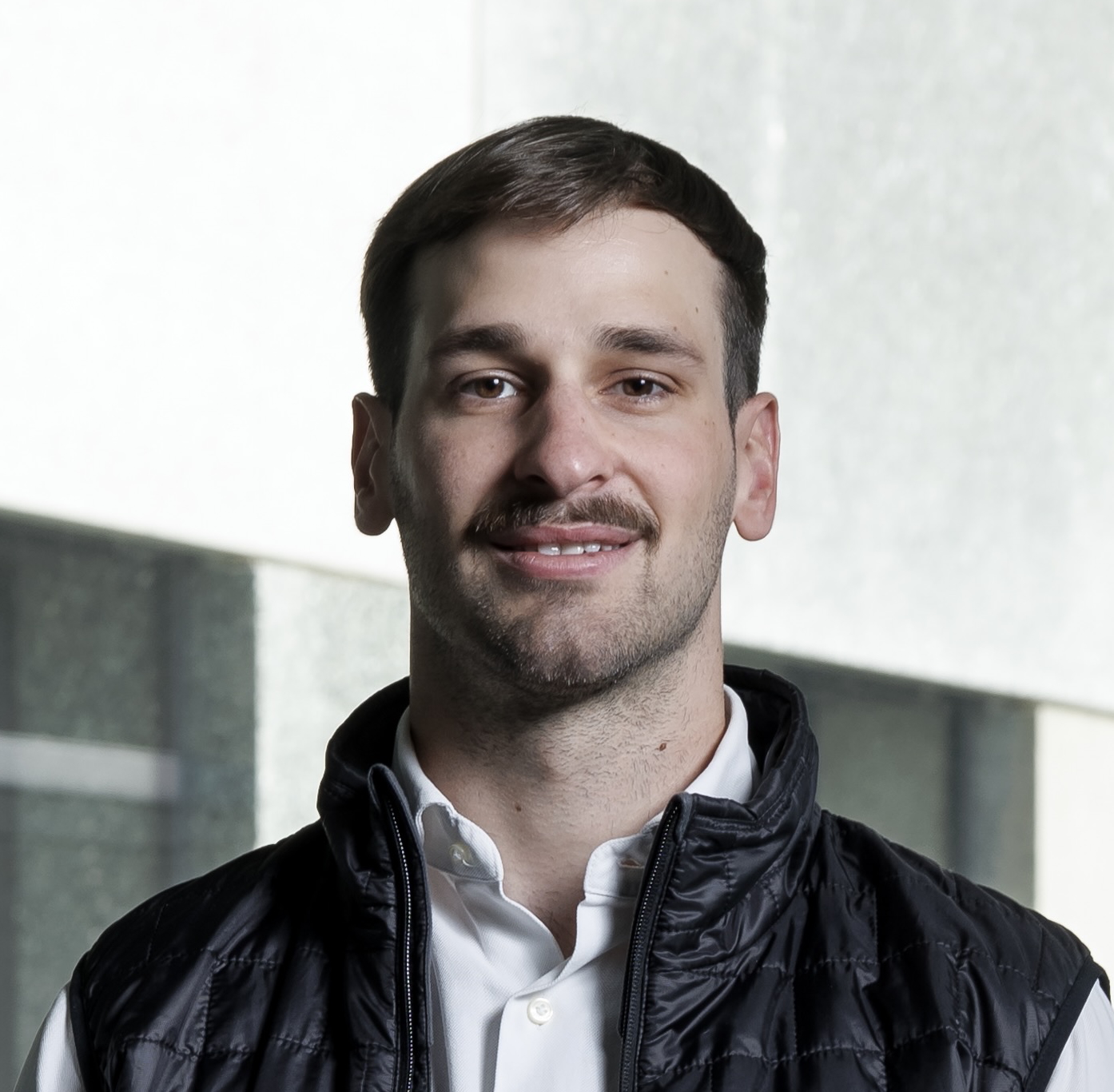
“We hope to find investors who share our belief that digital therapies, alone and alongside pharmacotherapy, are the next frontier in translational neuroscience. ”
What Bewe is working on
Bewe is a University of Fribourg spin-off turning 15 years of cognitive neuroscience into a mobile intervention that retrains the brain's reward system. Short daily gameplay, built on Go/NoGo and Cue-Approach Training, weakens the automatic pull of food cues. No willpower or digital literacy needed. Across four randomized controlled trials with more than 550 participants, users cut consumption of their problematic items by 28% and cravings by 21%. Early real-world data from our 13,600+ users track those results. The science behind Bewe received the Pfizer Research Prize 2026 in Digital Health.
What makes it exciting right now is the GLP-1 question. We're starting two trials testing Bewe alongside GLP-1 therapy, before, during and after treatment. Nobody has properly answered what happens to eating behavior when people stop the drug, and that is where our mechanism should matter most. In parallel we're releasing an alcohol module, since the same reward circuitry generalizes beyond food, and building the Motivational Salience Index, a patented mechanism that estimates the unconscious pull of a specific cue and adapts the training to it.
What we're hoping to find in the Alliance
US partners focused on metabolic health outcomes: clinics, employer programs, insurers, and care providers invested in managing weight and cardiometabolic risk. Adults on or coming off GLP-1s are one part of that population, but certainly not all of it.
Also mission-aligned investors who share our belief that digital therapies, alone and alongside pharmacotherapy, are the next frontier in translational neuroscience.
And clinical teams working on craving and reward beyond food, especially alcohol and nicotine, who want to apply this novel approach in their own population.